
Starting a business in the Czech Republic can look complicated when you first see the paperwork. There are trade licenses to verify, business structures to select from, paperwork to produce, and tax laws to comprehend.
The process becomes much easier when you take it one step at a time.
Before you start trading, think about what type of business you want to run and which legal structure fits your plans. You also need to check whether your activity requires a trade licence or any special professional qualification.
Here is a practical guide to help you understand how to start a business in the Czech Republic in 2026.
Choose Your Business Structure
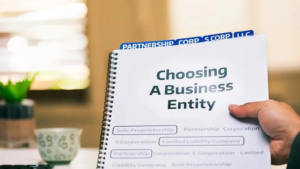
The first decision is choosing the legal form of your business.
You could set up an s.r.o., register as a sole trader, open a branch office, or consider another structure. Your choice can affect your liability, capital requirements, management setup, and future plans.
An s.r.o., or limited liability company, is commonly used by small and medium-sized businesses. According to BusinessInfo.cz, it can be established by one individual or legal entity and has a minimum registered capital of just CZK 1.
For an s.r.o., you will need a founding document. If there are two or more members, this is a memorandum of association. A single-member company uses a deed of foundation. The document must be prepared as a notarial deed.
A sole trader setup may be simpler, but the owner remains personally responsible for business obligations. A branch can give a foreign company a presence in Czechia while the parent company remains responsible for its obligations.
Think about where you want the business to be in a few years. Bringing in employees, partners, or investors later can influence which structure makes sense from the beginning.
Check Whether You Need a Trade Licence

Before you start providing services or selling products, find out whether your activity needs a trade licence.
Czech trade rules distinguish between different types of activities. Some fall under free trades, while others are craft, tied, or licensed trades. The latter may require proof of professional or special competence.
This is an important step because registering a company alone does not automatically mean you can carry out every type of business activity.
Check the requirements for your specific activity before you begin trading.
Prepare Your Documents
Getting the paperwork ready early can save you a lot of back and forth.
For an electronic trade-licence application, BusinessInfo.cz lists documents such as an identity document, proof of professional competence when required, evidence showing your legal right to use the registered office or business premises, and proof of payment.
If you are forming an s.r.o., you will also need the relevant founding documents and other information required for registration.
Foreign founders may have extra work. Some documents may need certification, legalisation, an apostille, or translation into Czech.
Register the Trade
Once your documents are ready, you can complete the relevant trade-licence process.
This may involve the Single Registration Form or the appropriate Trade Licensing Office route. Keep your licence confirmation and supporting documents in a safe place. You may need them later when dealing with banks, tax authorities, or other registrations.
Register the Company
Some business structures also need to be entered in the Commercial Register.
For an s.r.o., this happens after you have prepared the founding documents and dealt with the required contribution arrangements. The exact procedure can vary depending on the structure, the founders, and whether a notary completes a direct registration.
Make sure the details in your company documents match the information you submit during registration.
Sort Out Tax and VAT
Business registration is only one part of the setup.
You also need to understand the tax rules that apply to your business. This can include income tax, VAT, social security contributions, and health insurance obligations.
According to BusinessInfo.cz, tax registration depends on the type of business and the specific tax involved. VAT registration is governed by Czech VAT rules, while personal income tax registration can apply to people who become tax residents and start self-employment or receive self-employment income.
Your tax obligations can also depend on turnover, employees, business activity, and whether you sell across borders.
Because deadlines matter, it is worth checking the current requirements before you start operating.
Understand the Costs
The cost of starting a business in the Czech Republic depends on your structure and the type of work you plan to do.
There can be trade-licence fees, professional fees, registered-office costs, accounting expenses, document translation, and other administrative costs.
BusinessInfo.cz states that the electronic fee for a first trade registration or concession application is CZK 800. An additional trade or concession application costs CZK 400.
For applications made in person or by post, the listed fee for the first trade registration is CZK 1,000, while each additional trade costs CZK 500. Other administrative costs may also apply.
These are administrative fees, not the complete cost of running the business.
Set Up a Registered Office
Your company will generally need a registered office in the Czech Republic.
Before using an address, make sure you have the necessary evidence showing your legal right to use the premises. This can be part of the documentation required for registration or a trade licence.
The address you use should be suitable for the business and supported by the proper documents.
Open a Business Bank Account
Once your company is registered, you will need a practical way to manage business money.
A business account can be used for customer payments, supplier invoices, taxes, salaries, and other day-to-day expenses. When opening the account, the bank may ask for company documents, identification, and information about the business.
For founders moving money from another country, international payment costs and exchange rates can also become part of the setup budget.
What UK Founders Should Know
Starting a company in Czechia and moving there are two different matters.
A UK citizen may be able to establish or own a business without automatically having the right to live and work in the country under the same route. That is why business registration and immigration planning should be treated separately.
UK founders should check whether they need a visa, residence permit, or work authorisation. They should also examine the regulations pertaining to professional qualifications, document requirements, registered office regulations, and the ways in which Czech tax, social security, and health insurance duties relate to their circumstances in the UK.
These rules can change, so check the current requirements before making a move.
Think About Ongoing Compliance
Getting the business registered does not mean the paperwork is finished forever.
You may have ongoing responsibilities around taxes, VAT, employee registrations, social security, health insurance, accounting, and licence renewals or changes.
It helps to keep business documents organised from the start. Set reminders for important deadlines and make sure you know which filings apply to your company.
A little organisation can prevent small administrative problems from turning into bigger ones.
Conclusion
Starting a business in the Czech Republic in 2026 is much easier when you approach it in the right order.
First, choose the structure which matches the way you want to operate. Then check whether your activity requires a trade licence, prepare your documents, and complete the necessary registrations.
After that, focus on tax, VAT, banking, insurance, and any other obligations that apply to your business.
For foreign founders, there is one extra point to remember. Owning a Czech business and living or working in Czechia are not automatically the same thing. Check the immigration rules separately before making long-term plans.
The process may involve a fair amount of paperwork, but taking care of each step carefully can give your business a much cleaner start.
FAQ
How do I start a business in the Czech Republic?
Selecting your business structure and determining whether you require a trade licence should be your first steps. After that, get your paperwork ready, register the company, and handle tax and other registrations.
What is the easiest business structure in Czechia?
Selecting your business structure and determining whether you require a trade licence should be your first steps. After that, get your paperwork ready, register the company, and handle tax and other registrations.
Can a foreigner start a business in the Czech Republic?
It is possible for international entrepreneurs to establish a company in Czechia. However, the documentation and prerequisites could vary based on your business structure and country.
Do I need a registered office in the Czech Republic?
A registered office is generally required for a Czech company. You will also need evidence showing your legal right to use the address.
Do UK citizens need a visa to start a business in Czechia?
Starting or owning a company and living or working in Czechia are separate matters. UK founders should check the visa, residence, and work-authorisation rules that apply to their situation.
What taxes does a Czech business need to pay?
The taxes you need to deal with depend on your business and activity. They can include income tax, VAT, social-security payments, and health-insurance obligations.
Do I need an accountant to start a business in the Czech Republic?
You may not need one for every part of the setup, but an accountant can help with tax registrations, bookkeeping, and ongoing compliance. This can be especially useful for foreign business owners.
Can I run a business in the Czech Republic as a sole trader?
Yes. Sole trader registration can be a simpler route for some businesses, but you remain personally responsible for the business’s obligations.