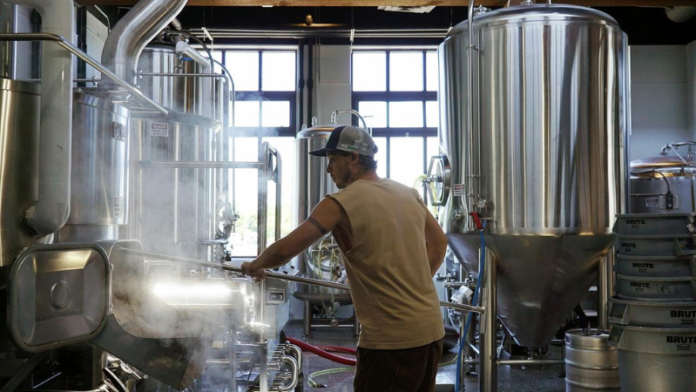
Starting a microbrewery can sound like the perfect business for someone who loves craft beer and enjoys building something from the ground up. But there is a big difference between brewing a few batches at home and running a commercial brewery.
A successful microbrewery needs more than good beer. You also have to think about equipment, funding, licensing, marketing, employees, insurance, and the location itself.
The good news is that you do not have to figure everything out at once. A clear business plan can break the process into manageable steps.
Here is what you need to know about how to start a microbrewery.
What Is a Microbrewery?
A microbrewery is a small-scale brewery that produces beer for a local market.
Many brewers begin at home, learning through trial and error and gradually improving their understanding of fermentation and brewing. That experience can be useful, but commercial brewing requires a higher level of knowledge and preparation. The source recommends getting proper training or hiring an experienced brewer before opening a brewery.
Before investing heavily, it can also make sense to spend time working in a local brewery or taking classes so you can understand what the business is actually like.
What Types of Breweries Can You Start?
The brewing industry offers several business models, and the right choice depends largely on your goals, resources, and comfort level.
| Brewery Type | Basic Description |
| Nanobrewery | Produces very small quantities, often five barrels or less at a time |
| Microbrewery | Produces less than 15,000 barrels per year and sells most beer offsite |
| Brewpub | Combines a brewery and restaurant, with part of the beer sold onsite |
| Taproom | Sells a portion of its beer onsite with little or no food |
How Much Does It Cost to Start a Microbrewery?
One of the first things to understand is that a commercial brewery requires a serious financial investment.
The source estimates that building a location to brewing capacity can cost roughly $250,000 to $2.5 million, including real estate, rent, and building-related expenses.
The brewing equipment itself can account for a large part of that budget.
Common equipment includes:
- Barrels
- Boilers
- Bottles
- Brite tanks
- Fermentation systems
- Heat exchangers
- Kettles
- Kegs
According to the source, equipment alone can cost approximately $100,000 to $1 million, depending on the size and requirements of the brewery. You may also need to spend money reinforcing floors and installing specialized plumbing and electrical systems.
This is why a detailed budget should come before signing a lease or buying equipment.
How Do You Choose a Name and Business Structure?
Once you have a basic idea of the business, you need to decide what to call it and how it will be legally structured.
How Do You Choose a Brewery Name?
A good brewery name should be distinct and, ideally, protectable as a trademark.
Before settling on one, check whether another brewery already uses the name or something very similar. You should also look at domain availability and whether the name is already being used in your state or elsewhere in the country.
The source also recommends considering trademarks for the brewery itself as well as distinctive beer names.
A generic term such as “wheat beer” cannot be trademarked in the same way a unique product name can.
Which Business Structure Should You Choose?
Your business structure is an important decision, so the source recommends making it together with an attorney and accountant.
Many small brewery businesses use an LLC, while a very small, one-person nanobrewery may operate as a sole proprietorship. Partnerships and limited liability partnerships are other possible structures.
The right choice depends on your circumstances, so getting professional advice before registration can save problems later.
How Do You Write a Microbrewery Business Plan?

A brewery can require hundreds of thousands or even millions of dollars to launch, which makes a proper business plan essential.
What you are making, who you want to serve, how the brewery will run, and how you anticipate making money should all be covered in your business plan. These source shows the following sections as important:
- Executive summary
- Objectives and mission statement
- Keys to success
- Company summary
- Inventory requirements
- Market and competition analysis
- Web plan
- Management summary
- Financial plan
- Legal regulations summary
- Appendix
How Can You Fund a Microbrewery?
Traditional bank financing may be one option, particularly when the brewery is expected to bring jobs and activity to the local area.
The source also points to community grants and Small Business Administration (SBA) loans as possible sources of funding for businesses that qualify.
You should be able to explain your startup costs, expected revenue, operating expenses, and how much funding you actually need.
How Do You Create a Marketing Plan?
A brewery needs customers, so marketing should be part of your business plan from the beginning.
Start by figuring out who you want to attract and what they want. Young professionals, millennials, and other local populations interested in craft beer and social events are frequently drawn to microbreweries, according to the source.
Location matters here, too. Before choosing a site, research the local market. A growing cluster of breweries can create a destination for beer lovers, but an oversaturated area can make it harder for a new business to stand out.
How Important Is Social Media for a Microbrewery?
For a new brewery, social media can help build awareness before the doors even open.
The source recommends posting consistently and using platforms where your target customers already spend time. Reviews on services such as Google and Yelp can also influence people who are considering visiting your brewery.
You can also use social media to build an email list for newsletters and promotions.
Local partnerships can add another layer to your marketing. The source suggests working with local influencers and hosting activities such as:
- Open mic nights
- Trivia events
- Ping-pong tournaments
- Game nights
- Community gatherings
These events can help turn the brewery into more than a place to buy beer. They can make it part of the local community.
Should a Microbrewery Sell Food?
Not every microbrewery needs its own kitchen.
Some breweries choose to work with nearby restaurants for food delivery, while others invite food trucks to operate onsite. This can reduce the cost and complexity of running a restaurant alongside the brewery.
If you decide to prepare and sell food yourself, you will also have to comply with restaurant-related laws and requirements.
That means adding another layer of operations, staffing, equipment, and regulation to the business.
What Alcohol Laws Apply to a Microbrewery?
This is one of the most important areas to understand before opening.
The source is specifically focused on the United States, where brewery owners need to understand both state and federal requirements. State laws can differ in areas such as beer definitions, distribution, reporting, permits, and excise taxes.
Depending on the state, a brewery may also need to deal with a brewer’s bond and other alcohol-related requirements.
Because these rules vary, you should research the regulations that apply to your particular state and location.
How Do Beer Distribution Laws Work?
Selling beer directly from your brewery is different from distributing it to other businesses.
In many states, breweries cannot distribute beer on their own and must work through a licensed distributor under a three-tier system:
Manufacturer → Distributor → Retailer
The exact rules vary by state, so a distribution plan should be built around the laws where your brewery operates.
If you plan to sell beer to local stores or bars, understand those rules before making that part of your business model.
What Federal Licenses Does a U.S. Brewery Need?
The federal government regulates commercial beer production and sales.
According to the source, commercial beer activity is regulated by the Alcohol and Tobacco Tax and Trade Bureau (TTB), part of the U.S. Treasury Department.
One of the major steps is obtaining a federal Brewer’s Notice.
The source states that the application can be submitted online without an application fee, but the TTB needs to approve details including the brewery’s name, labels, recipes, and processes. Background checks and inspections are also part of the approval process.
The source estimates that this approval process can take six months to a year, so it is something you should plan for well before your intended opening date.
What Local Permits Will You Need?
Federal approval is only one part of the process.
Depending on your location, you may also need standard business licences, construction permits, fire inspections, a certificate of occupancy, and potentially sales or use tax and sign permits.
The exact requirements depend on the local jurisdiction.
This is one area where talking to local officials or qualified professionals early can help prevent expensive delays later.
How Do You Hire Employees for a Microbrewery?
Once the business starts taking shape, you will need people to keep it running.
Your early hires may include brewing staff, but you will also need to think about employees who can support sales, customer service, administration, and other operations.
The source notes that U.S. employers need an Employer Identification Number (EIN) and must complete the appropriate employment paperwork. Background checks may also be appropriate, particularly for employees who handle money.
Employee taxes and beer excise taxes also need to be handled correctly.
How Can You Keep Brewery Employees Motivated?
People are a major part of a service-based business.
The source makes an important point about employee loyalty: treating employees well can influence how they treat customers. Paying a fair wage, offering appropriate benefits, and paying attention to employees’ needs can contribute to a healthier workplace.
That matters in a brewery because customers notice the experience, not just the beer.
A friendly team can help create the kind of atmosphere that encourages people to come back.
What Insurance Does a Microbrewery Need?
Insurance is another cost that should be included in your startup planning.
The source lists several common types of business insurance for a brewery:
| Insurance Type | Purpose |
| Business liability insurance | Helps protect the business against certain liability claims |
| Commercial umbrella insurance | Provides additional liability coverage |
| Workers’ compensation insurance | Covers qualifying work-related employee injuries |
The exact coverage you need can depend on your business, financing arrangements, employees, and local requirements.
Working with a local insurance professional can help you identify the appropriate policies and coverage levels.
How Long Does It Take to Start a Microbrewery?
Starting a microbrewery is not a quick process.
You need time to choose a location, develop the business plan, secure funding, buy and install equipment, handle licences and permits, hire staff, and prepare for launch.
The source specifically notes that federal Brewer’s Notice approval can take six months to a year, making regulatory planning an important part of your overall timeline.
The earlier you begin working through regulatory requirements, the easier it is to coordinate the rest of the opening process.
Conclusion
Starting a microbrewery takes much more than a passion for craft beer.
You need a realistic understanding of startup costs, the right business structure, a detailed business plan, suitable financing, effective marketing, qualified employees, insurance, and—most importantly—a clear understanding of alcohol laws.
The source estimates commercial brewery startup costs at roughly $250,000 to $2.5 million, with equipment alone potentially costing $100,000 to $1 million.
That makes preparation extremely important.
Start by deciding what type of brewery you want to build, study the local market, understand the regulations that apply to your location, and create a financial plan that accounts for both startup and ongoing costs.
A good beer may bring people through the door, but a well-planned business is what helps keep the brewery running.
FAQ
How much does it cost to start a microbrewery?
According to the source, starting a commercial microbrewery can cost around $250,000 to $2.5 million, including real estate, rent, and building costs. Equipment alone may cost $100,000 to $1 million.
What is the difference between a nanobrewery and a microbrewery?
A nanobrewery produces beer in very small quantities, while a microbrewery produces less than 15,000 barrels a year and sells most of its beer offsite.
What equipment is needed for a microbrewery?
Common brewery equipment includes fermentation systems, kettles, boilers, brite tanks, heat exchangers, kegs, barrels, and bottles. The exact equipment depends on the size and needs of your brewery.
Do I need a business plan for a microbrewery?
Yes. A business plan is especially important because a brewery can require a large upfront investment. It should cover your market, competition, inventory, management, finances, and legal requirements.
How can I finance a microbrewery?
The source mentions bank loans, local business grants, and SBA loans as potential funding options. A professional business plan can help you explain your funding needs to lenders.
What licenses do I need to open a microbrewery?
The exact requirements depend on your location. In the U.S., the source discusses federal, state, and local requirements, including the federal Brewer’s Notice, state alcohol permits, and local business and construction permits.
How long does it take to get a Brewer’s Notice?
The source estimates that federal Brewer’s Notice approval can take six months to a year. The process includes review of the brewery’s operation and can involve background checks and inspections.
Can a microbrewery distribute beer to local stores and bars?
It depends on state law. The source explains that many U.S. states require breweries to use a licensed distributor under a three-tier system: manufacturer, distributor, and retailer.
How important is marketing for a microbrewery?
Marketing is important for building local awareness and attracting repeat customers. The source recommends consistent social media activity, online reviews, email marketing, local partnerships, and community events.
Can I start a microbrewery from home?
The source notes that many brewers begin with home brewing to develop their skills, but a commercial microbrewery requires proper training, commercial equipment, and the necessary approvals.