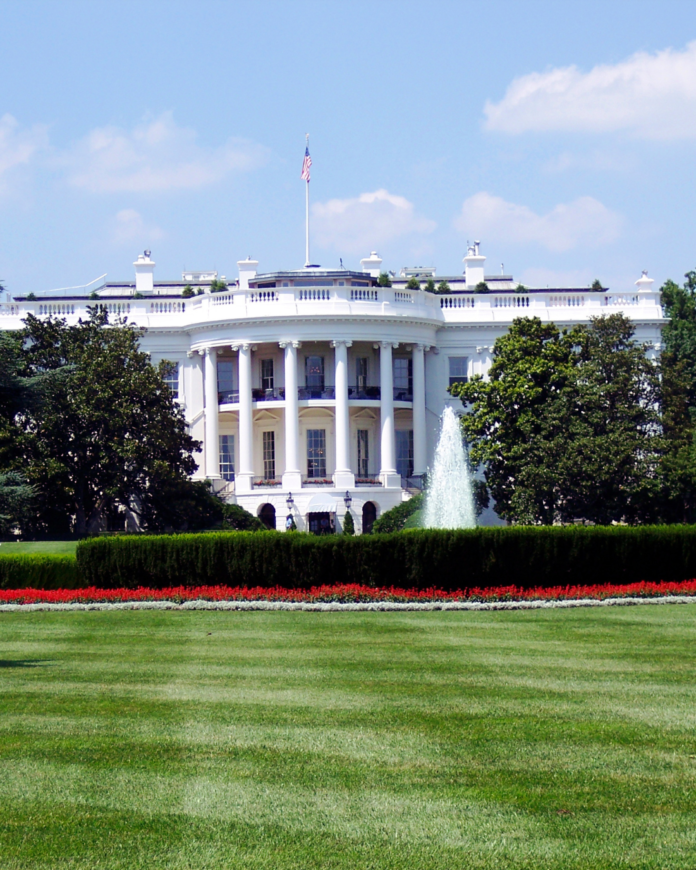
The intersection of professional sports and American politics is a tale as old as time, but the recent and highly publicized white house ufc connection is an entirely unprecedented phenomenon. Decades ago, mixed martial arts (MMA) was an underground spectacle fighting for its very legal survival. Today, its executives and champions are frequently seen shaking hands with the Commander in Chief.
This drastic shift is not just fascinating for fight fans looking up the latest ufc news; it represents a massive cultural crossover. It fundamentally redefines how combat sports athletes engage with the highest levels of government. In this article, we will explore the timeline, the key players, and the lasting impact of the relationship between the Octagon and the Oval Office.
The Roots of the Alliance: A Lifeline in Atlantic City
To understand how the UFC reached the highest echelons of American politics, we must rewind to a critical era in the sport’s history. Long before the promotion was selling out global arenas, it was struggling for mainstream survival. The foundation of this unique alliance is deeply rooted in the Trump Taj Mahal UFC 30 history.
In 2001, the UFC was newly purchased by Zuffa LLC for a mere $2 million. The sport was widely ostracized, having been infamously labeled “human cockfighting” by prominent politicians. Because of this stigma, the promotion faced bans across multiple states, and securing venues or pay-per-view providers was a monumental struggle.
At this critical juncture, Donald Trump offered his Trump Taj Mahal in Atlantic City to host UFC 30, and subsequently UFC 31 and UFC 32. This pivotal move provided the promotion with a legitimate, mainstream venue when few others in the hospitality and entertainment industry would take the risk.
This event established the bedrock of the Dana White Donald Trump relationship history. White has frequently stated in interviews that he will never forget Trump’s crucial support during those turbulent early days. It was a business arrangement that blossomed into a deep, decades-long personal and political loyalty, paving the way for the future integration of MMA and national politics.
Breaking the Barrier: Champions in the Oval Office
Traditionally, visiting the nation’s capital after a championship win has been a custom reserved almost exclusively for major team leagues. When looking at a comparison of team sports vs MMA executive visits, the contrast is stark. Super Bowl, NBA, and World Series champions have visited the White House for decades, often posing for standardized team photos on the lawn. MMA’s entry into this exclusive club, however, has been much more individualistic, personality-driven, and politically charged.
So, exactly which fighters visited the Oval Office? The standout, barrier-breaking moment arrived in August 2018. Following his interim welterweight title victory, the Colby Covington presidential meeting made headlines across the globe. Covington, dressed in a sharp suit and wearing both his UFC championship belt and his signature red MAGA hat, was warmly welcomed into the Oval Office.
While historical figures like Jack Johnson or Muhammad Ali represent the first combat sports athlete invited to meet the President in the broader context of boxing and civil rights history, Covington’s visit marked the first time a sitting UFC champion was brought in specifically to celebrate an MMA victory.
Why This Visit Mattered
- A Shift in Perception: It proved that MMA had officially shed its “underground” label and was recognized by the highest office in the land.
- A New PR Playbook: Covington used this political alignment to build a massive, polarizing personal brand, turning heel and securing high-profile fights.
- Opening the Doors: It set a precedent, ensuring that major ufc events would now regularly feature political figures sitting cageside, seamlessly blending sports entertainment with political networking.
The Evolution of MMA Mainstream Political Acceptance
The journey from state-sanctioned bans to Oval Office invitations highlights the rapid evolution of MMA mainstream political acceptance. This shift wasn’t purely accidental; it required meticulous maneuvering, massive financial investments, and a deep understanding of combat sports regulation and government relations.
For years, the UFC was locked in political battles. They faced staunch opposition from various political action committees and labor unions (most notably the Culinary Union in Nevada, which used political leverage to block the sport’s expansion in places like New York). To survive, the UFC had to master the art of lobbying. They hired Marc Ratner, former executive director of the Nevada State Athletic Commission, to navigate the complex web of state regulations.
Timeline of MMA Political Influence
Creating a timeline of MMA political influence shows a steady, calculated climb to power:
- 1990s: MMA faces heavy scrutiny, leading to widespread state-level bans and political condemnation.
- 2001: The Trump Taj Mahal hosts UFC 30, providing a vital lifeline when the sport was heavily marginalized.
- 2006-2015: The UFC heavily invests in political lobbying, educating state athletic commissions to sanction the sport.
- 2016: MMA is finally legalized in all 50 states after conquering the final holdout, New York. In the same year, Dana White speaks at his first national political convention.
- 2018: Colby Covington brings the UFC belt to the Oval Office.
- 2020-Present: Politicians routinely attend major fight cards, and fighters actively participate in political rallies.
By regulating the rules, implementing strict anti-doping policies, and proving its massive economic impact, the UFC forced politicians to take them seriously. Once the regulatory hurdles were cleared, the political alliances naturally followed.
Beyond the Octagon: Fighters on the Campaign Trail
The growing role of mixed martial arts in political campaigns goes far beyond symbolic handshakes. In recent election cycles, fighters have transitioned from passive supporters to highly visible political surrogates.
Take, for example, the highly publicized Jorge Masvidal campaign trail appearances. During the 2020 election cycle, Masvidal embarked on the “Fighters Against Socialism” bus tour in Florida. He spoke passionately to crowds, leveraging his Cuban-American heritage and his “BMF” (Baddest Motherf***er) fighting persona to connect with voters on a visceral level.
Similarly, the Justin Gaethje and Henry Cejudo rally attendance showcased high-profile champions sitting front row at political rallies in key battleground states. These athletes were not just there as silent observers; they were actively recognized, engaging with supporters, and proudly representing their demographic bases.
Why the Endorsements?
This active participation begs a fascinating question: why professional fighters endorse political candidates? Unlike team sports athletes, who might worry about alienating sponsors or franchise owners, MMA fighters operate as independent contractors. Their reasons for entering the political fray are unique:
- Shared Demographics: The core audience for combat sports often skews toward demographics that value themes of individualism, toughness, and self-reliance—themes heavily utilized in political campaigns.
- Personal Connections: Many fighters come from working-class or immigrant backgrounds. When a politician speaks directly to those experiences or exhibits a “fighter’s mentality,” athletes often feel a genuine, personal connection.
- Promotional Leverage: In the fight game, attention is currency. A high-profile political endorsement can skyrocket a fighter’s visibility, making them polarizing but intensely relevant. Being loved by half the country and hated by the other half is a proven recipe for selling pay-per-views.
Executive Backing: Amplifying the Message
At the corporate level, the UFC has not shied away from political associations. While many sports leagues issue neutral PR statements during election seasons, the UFC’s leadership has taken a distinctly hands-on approach. The impact of Dana White RNC speeches in 2016, 2020, and 2024 cannot be overstated.
By stepping up to the podium and addressing millions on a national political stage, White transcended his role as a sports promoter to become a prominent cultural and political voice. In his speeches, he consistently bypassed standard political talking points, choosing instead to highlight themes of personal loyalty, business resilience, and American exceptionalism. He framed his support not just as a political alignment, but as a deeply personal debt of gratitude to a man who supported his business when no one else would.
The Fan Response
Navigating politics is usually a risky move for corporate executives, so what has been the fan reaction to Dana White political involvement? Surprisingly, it has been largely insulated by the UFC’s unique brand identity.
While a segment of fans prefers to keep politics entirely out of sports, a significant portion of the MMA fanbase applauds White for his unfiltered, unapologetic approach. In an era where corporate leaders often rely on heavily scripted PR speak, White’s blunt loyalty resonates with the raw, authentic nature of combat sports.
Furthermore, this crossover has fundamentally changed the atmosphere of live fights. Today, when fans tune in for major pay-per-views, the political spectacle is part of the draw. Former presidents, senators, and political commentators frequently sit cageside, seamlessly blending sports entertainment with high-level statecraft.
Actionable Takeaways for Sports Marketers and Fans
The unique relationship between the White House and the UFC offers several lessons on brand building, audience engagement, and the modern intersection of sports and culture. Here are a few practical takeaways:
- Authenticity Wins: The reason the UFC’s political involvement hasn’t hurt its bottom line is because it aligns with the brand’s historically brash and unapologetic nature. Brands must ensure that if they wade into cultural or political waters, it aligns flawlessly with their established identity.
- Leverage Your Origin Story: Dana White’s constant callbacks to the Taj Mahal days show the power of a compelling origin story. Acknowledging who helped you when you were down builds a narrative of loyalty that audiences respect.
- Understand Your Audience: Fighters who endorse candidates understand exactly who is buying their pay-per-views. Knowing your core demographic allows for bold marketing choices that might scare off mainstream advertisers but will hyper-engage your true fans.
- Embrace the Individual: The UFC thrives because it promotes individual personalities rather than just a unified league. Allowing athletes to express their personal political views, even when controversial, builds compelling individual brands that drive overall league interest.
Conclusion
The white house ufc connection is a testament to how far mixed martial arts has climbed in the American cultural landscape. From being banished from cable television to having its champions proudly display their belts in the Oval Office, the sport’s trajectory is nothing short of historic.
Through savvy lobbying, fierce personal loyalties, and athletes who are unafraid to speak their minds, the UFC has successfully bridged the gap between the blood-stained canvas of the Octagon and the polished floors of the nation’s capital. Whether you view this crossover as a brilliant promotional strategy or a natural evolution of the sport’s mainstream acceptance, one thing is certain: the powerful alliance between combat sports and American politics is here to stay, and it will continue to shape the narrative of MMA for generations to come.