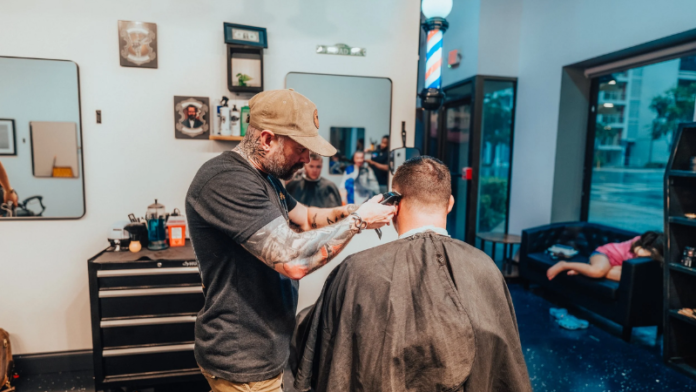
Opening a barbershop can look simple from the outside: find a good location, put in a few chairs, hire talented barbers, and start cutting hair.
In reality, there is much more to it.
A successful barbershop combines good barbering, smart business planning, the right location, proper licensing, reliable staff, strong customer service, and enough cash to survive the first few months. The good news is that you don’t necessarily need a huge storefront or a massive team to get started. A small, well-run shop can be a better first step than an expensive space that takes years to pay for itself.
If you’re thinking about starting a barber shop in the USA in 2026, here’s a practical step-by-step guide.
Is a Barber Shop a Good Business in 2026?
Barbering has one advantage that many businesses don’t: repeat customers.
People may not buy a new product every week, but many customers return for haircuts and grooming services regularly. That creates an opportunity to build recurring revenue rather than constantly searching for new customers.
The market is also highly local. Someone who finds a barber they trust may continue visiting that shop for years.
However, that doesn’t mean every barbershop will be profitable. Rent, payroll, equipment, insurance, marketing, licensing, and other operating expenses can add up quickly. Your location and business model can make a huge difference.
Current 2026 estimates put the cost of opening a traditional barbershop across a very wide range, with many small-to-mid-sized shops falling somewhere around $50,000 to $150,000, although a much smaller setup or an already-equipped space can cost considerably less.
So, before you start shopping for barber chairs, start with the business itself.
1. Decide What Kind of Barber Shop You Want to Open
There isn’t just one way to run a barber shop.
You could create a:
- Traditional neighborhood barber shop
- Modern men’s grooming studio
- Premium barber lounge
- Family-friendly barber shop
- Walk-in shop
- Appointment-only studio
- Hybrid walk-in and appointment shop
- Booth-rental shop
- Commission-based shop
- Owner-operated one- or two-chair shop
This decision affects almost everything else, including your rent, staffing, pricing, interior design, equipment, and marketing.
For example, a neighborhood shop might compete on convenience and affordable cuts, while a premium grooming studio might focus on atmosphere, longer appointments, beard services, and higher prices.
2. Research Your Local Market
A barbershop lives or dies by its local customer base.
Before signing a lease, spend time looking at the area you’re considering. Visit competing shops and pay attention to their prices, services, opening hours, reviews, customer demographics, and how busy they are.
You want to answer questions such as:
- How many barber shops are already nearby?
- What are they charging?
- Are customers mostly families, professionals, students, or young adults?
- Are most shops walk-in or appointment-based?
- What services are missing?
- Is there enough parking?
- Is foot traffic actually useful for your type of shop?
- Can the neighborhood support your planned prices?
3. Make a Realistic Barber Shop Business Plan
There is no need for a 50-page document to open a barber shop.
Start with a basic plan. You can cover these factors:
- Your concept
- Target customers
- Services and pricing
- Local competition
- Average ticket size
- Revenue projections
- Break-even point
- Capital requirements
4. Get Your Barber License and Understand Local Regulations
This is one area where you shouldn’t rely on a generic national checklist.
Barber licensing requirements vary by state and locality.
While the barbershop itself may have different establishment or operating requirements, persons providing barbering services typically need the proper state credential.
If you’re going to cut hair yourself, check:
- state’s barber licensing authority
- Training or apprenticeship requirements
- Required examinations
- License renewal rules
- Continuing education requirements, if applicable
- Shop or establishment licensing
- Local business requirements
- Zoning and building requirements
Don’t assume that getting your personal barber license automatically gives you permission to open a shop.
5. Choose a Business Structure
You’ll also need to decide how your business will be legally structured.
Many small-business owners consider structures such as:
- Sole proprietorship
- LLC
- Corporation
6. Find the Right Location
The best deal isn’t always the cheapest rent.
Visibility, accessibility, parking, neighbourhood demographics, and other businesses can all be important factors for a barbershop.
Find a place where your target audience already hangs out.
7. Calculate Your Startup Costs
One of the biggest mistakes new owners make is budgeting only for the things they need to open the doors.
You also need money to stay open after the doors are open.
8. Choose Your Staffing Model
Your staffing strategy can dramatically affect your finances.
Some owners work behind the chair themselves and gradually add barbers. Others start with multiple barbers from day one.
Common models can include:
- Booth Rental
- Commission
- Employees
9. Set Your Prices Carefully
Just because the store across the street charges $30 for a haircut doesn’t mean you should copy them.
Just think about:
- Rent
- Labor
- Product costs
- Taxes
- Payment-processing fees
- Insurance
- Marketing
- Equipment maintenance
- Your desired profit
- The local market
You can also create different service levels.
10. Get Business Insurance
A barbershop has customers, employees or independent contractors, expensive equipment, and a physical location.
Insurance can help protect the business against certain risks.
Depending on your circumstances, coverage may include:
- General liability insurance
- Professional liability
- Commercial property insurance
- Workers’ compensation where required
- Business interruption coverage
- Other policies relevant to your operation
Your exact requirements depend on your state, lease, staffing arrangement, and business activities.
11. Set Up Your Booking and Payment Technology
Consumers expect ease of use. The fundamental digital configuration is:
- Online reservations
- Automated reminders for appointments
- Electronic payments
- POS system
- Database of customers
- Reports on sales
- Employee timetables
- Examine requests
12. Build Your Brand Before Opening
Don’t wait until opening day to start marketing.
Make your basic brand identity early:
- Business name
- Logo
- Color and design style
- Website
- Google Business Profile
- Instagram or other relevant social accounts
- Booking page
- Exterior signage
Post photos and videos of the shop’s progress. Introduce your barbers. Show your work. Announce the opening date.
How Much Does It Cost to Start a Barber Shop in the USA in 2026?
There is no single number that applies to every barbershop.
A small owner-operated shop in an already-equipped space may require less capital than a large, custom-built shop in an expensive city.
Current estimates range from roughly $30,000 to $200,000+, depending on the business model, location, number of chairs, construction requirements, and equipment.
How Long Does It Take to Open a Barber Shop?
The timeline depends heavily on the location and how much construction is required.
A shop that is already equipped for barbering can move much faster than a raw retail space requiring extensive plumbing and electrical work.
Don’t announce your grand opening until you are confident your permits, inspections, construction, equipment, and staffing are actually ready.
Common Mistakes New Barber Shop Owners Make

A few mistakes show up again and again.
- Spending Too Much on the Interior
- Choosing a Location Based Only on Cheap Rent
- Opening Without Enough Working Capital
- Hiring Too Many Barbers Too Early
- Ignoring Online Reviews
- Competing Only on Price
Conclusion
Starting a barber shop in the USA in 2026 is absolutely possible, but it should be treated as a business first and a barbering operation second.
You need good technical skills, but that’s only one part of the equation. You also need to understand your customers, control expenses, choose a sensible location, follow state and local licensing rules, hire the right people, and create a reason for customers to keep coming back.
You don’t have to start with a six-chair luxury store right away if you have little funding. You may build your clientele, comprehend your numbers, and grow when there is a need for it with a smaller, well-run store.
FAQ
How much does it cost to open a barber shop in the USA in 2026?
The location, shop size, equipment, remodelling work, and business style can all have a big impact on the price. While a larger custom-built shop may cost $100,000 or more, a small shop in an existing space may be far less expensive. A sensible budget should account for many months’ worth of working capital in addition to launch costs.
How much should I charge for a haircut?
There isn’t one ideal price for every barbershop. Your pricing should reflect your local market, target customer, barber experience, service quality, rent, labor costs, and other operating expenses. Research nearby competitors, then make sure your prices are high enough to support a sustainable business.
How important are online reviews for a barber shop?
Online reviews can be very valuable for a local service business. People who have never visited your shop often use reviews to decide whether it’s worth trying. Providing good service, responding professionally to feedback, and making it easy for happy customers to leave honest reviews can help build your local reputation.
What are the biggest expenses when opening a barber shop?
The biggest expenses are often the commercial lease and deposit, renovations, barber equipment, payroll or barber compensation, insurance, licenses and permits, marketing, technology, and working capital. Construction and rent can vary dramatically from one city to another, so local research is essential.
Can I start a barber shop with a small budget?
Yes, but your business model may need to be smaller. An owner-operated shop with a few chairs, a modest location, and an existing salon/barber infrastructure can require considerably less capital than a large, highly customized shop. Starting lean can also reduce the financial pressure while you build a customer base.
What is the most important thing for a successful barber shop?
There isn’t one magic ingredient. Consistent service, skilled barbers, customer relationships, convenient scheduling, sensible pricing, and strong cost control all matter. In the long run, repeat customers are particularly valuable because they provide a more predictable source of business than constantly having to find new clients.